Home / Process
How Coirpath products are made
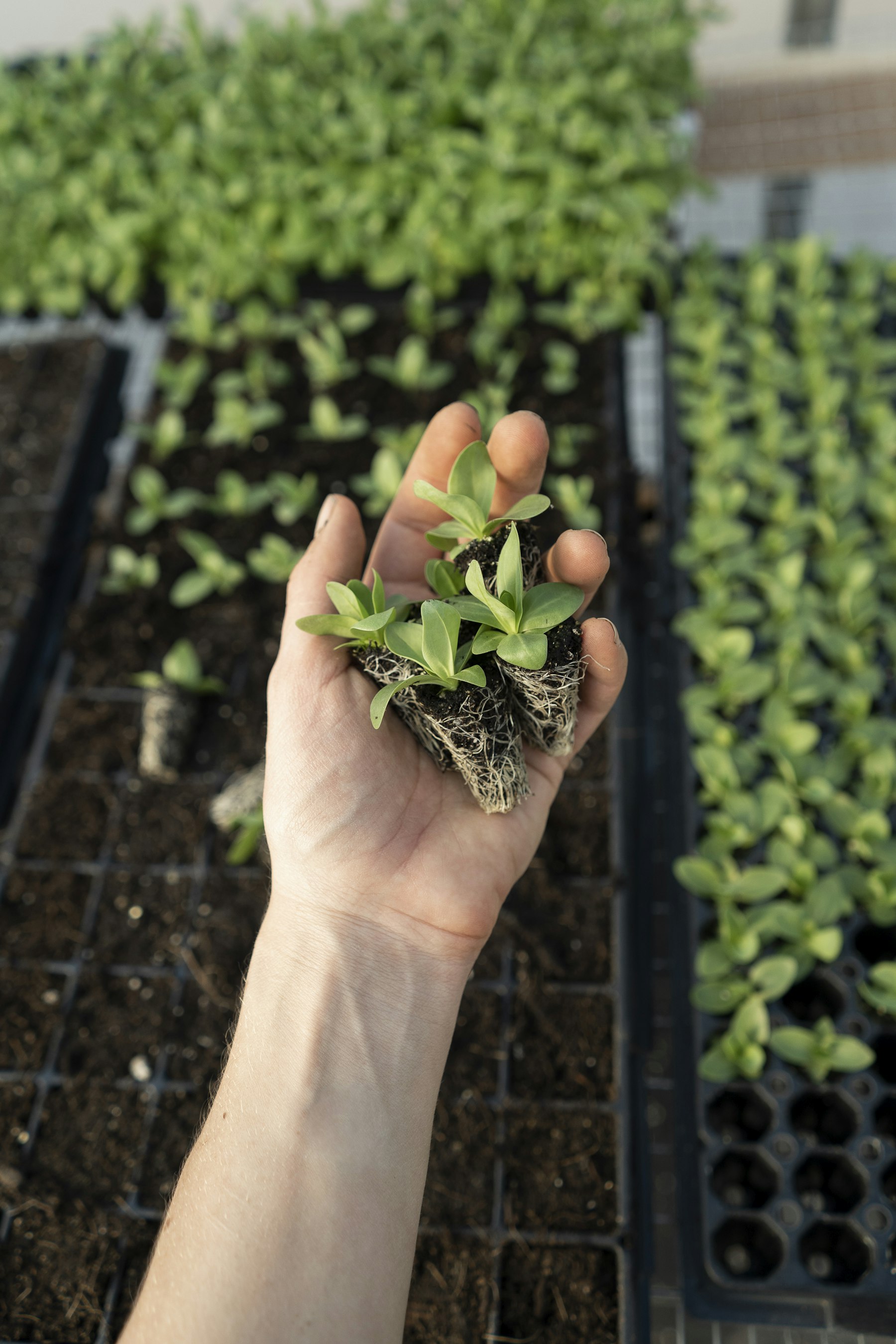
A coconut husk is about one-third fibre and two-thirds pith. We separate the two, clean them, and turn them into eight products. Here is every step.
Tamil Nadu
Where our coir comes from
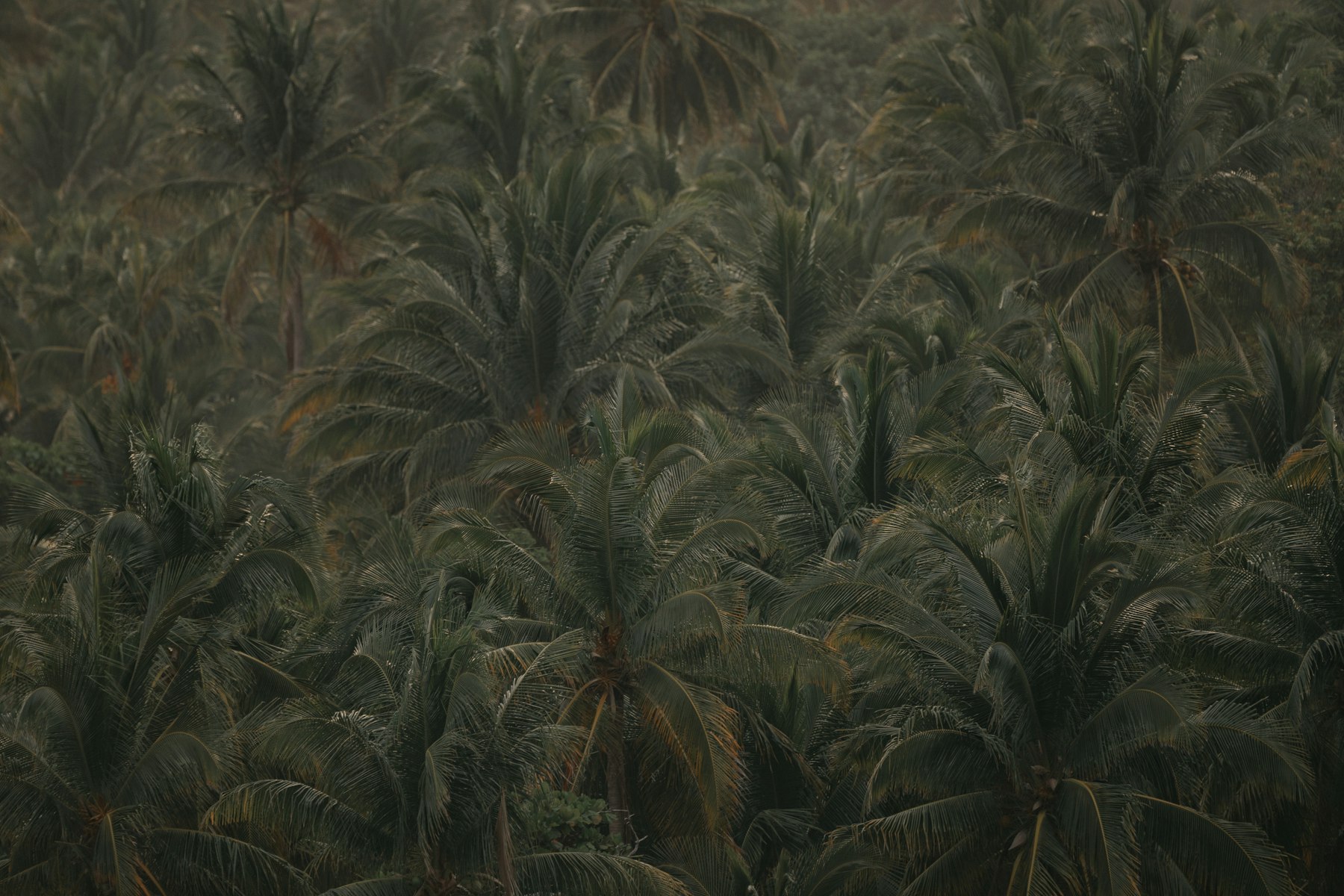
Tamil Nadu is one of India's top three coconut-growing states. Coconuts are harvested every 45–60 days, all year, so husk supply is steady across seasons.
Top 3Coconut-growing state in India
45–60 daysHarvest cycle, year-round
PollachiMajor coir and coco peat hub
TuticorinExport port on the same coast
The coconut belt
Coimbatore and PollachiThe main coco peat cluster, with large drying yards and pressing units.
Tiruppur and DindigulCoconut farms supplying husk and fibre to western Tamil Nadu.
Thanjavur and PattukkottaiDelta coconut belt, a source of long fibre for rope and logs.
Theni and MaduraiInland farms supplying husks year-round.
KanyakumariSouthern coastal farms close to Tuticorin port.
The journey
From a Tamil Nadu farm to your port
1
FarmTamil Nadu farmsHusks collected after the coconuts are harvested.2
RettingSoaking pitsHusks soaked in fresh water to loosen fibre.3
DefiberingProcessing unitFibre, short fibre and pith separated by machine.4
Washing and dryingDrying yardsWashed to low EC and sun-dried below 20%.5
FormingProduction linesPressed, moulded, spun or knitted per product.6
Lab and packingQC labTested, lot-numbered and packed.7
PortTuticorinLoaded with export documents and shipped.Stage one
Shared steps for every product
01
Husk collectionHusks are collected from coconut farms in the region after the nuts are harvested.
02
RettingHusks are soaked in fresh water so the fibre loosens from the pith.
03
DefiberingMachines separate long fibre, short fibre and pith. Each goes to a different product line.
04
WashingFibre and pith are washed in fresh water until the EC is below 0.5 mS/cm.
05
DryingMaterial is sun-dried in open yards to a moisture level under 20%.
06
Lab checkSamples from each lot are tested for EC, pH and moisture before forming.
Stage two
Forming each product
After the shared steps, each product has its own forming and finishing process.
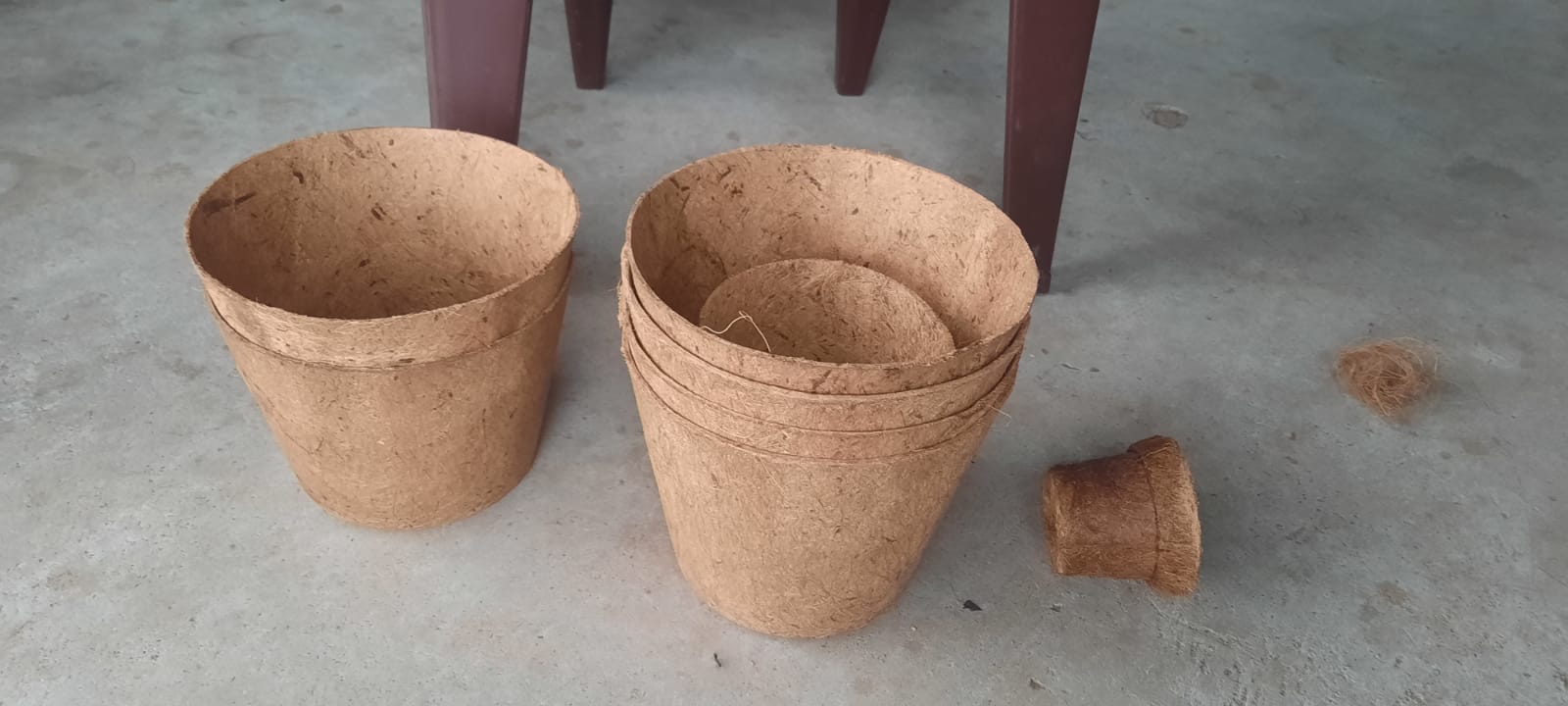
01Coir Pots
1Fibre openingClean fibre is loosened and spread into an even layer.
2Latex bondingNatural rubber latex is sprayed on to bind the fibres.
3Hot mouldingThe bonded mat is pressed into pot-shaped moulds.
4CuringPots are cured and dried so they hold their shape.
5Trimming and QCRims are trimmed; wall thickness and drainage are checked.
6Nesting and packingPots are nested and packed by size.
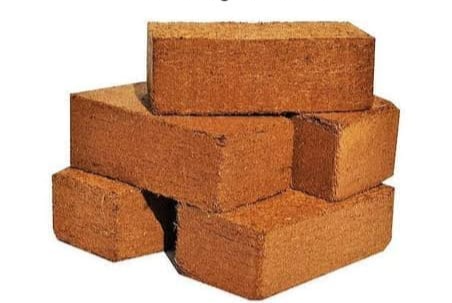
02Coco Peat Brick
1Pith separationPith is sieved out during fibre extraction.
2WashingFresh-water washing brings EC below 0.5 mS/cm.
3BufferingOptional calcium buffering for hydroponic grades.
4Sun dryingDried in open yards to under 20% moisture.
5GradingSieved to 0–8 mm and blended to the required texture.
6CompressionHydraulic presses form 5 kg blocks and 650 g bricks.
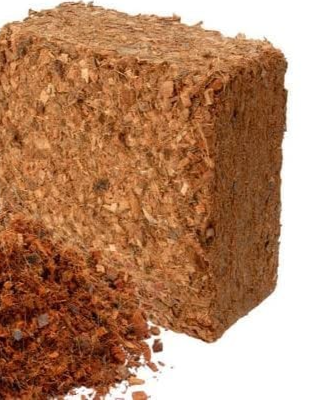
03Husk Chips Block
1Husk selectionMature husks with firm texture are chosen.
2ChippingHusks are cut into ¼–½ in chips.
3Washing and bufferingChips are washed to remove salts and tannins.
4DryingSun-dried to under 20% moisture.
5ScreeningDust and fines are screened out.
6CompressionChips are pressed into 5 kg blocks.
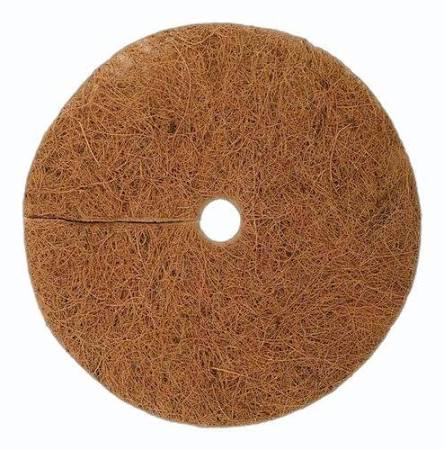
04Coir Weed Mats
1Fibre cleaningFibre is cleaned and opened.
2Needle punchingLayers are needle-punched into a dense felt.
3Latex bondingNatural latex makes the felt firm and long-lasting.
4CuringThe sheet is cured and dried.
5Die cuttingDiscs are cut with a centre hole and slit.
6PackingStacked and packed in cartons or private label sleeves.
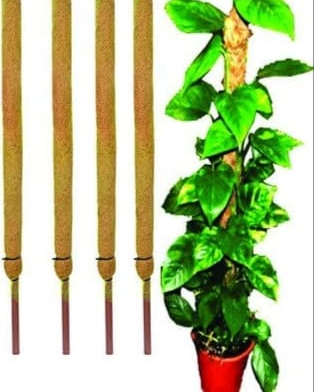
05Creeper Sticks
1Core preparationWooden or plastic cores are cut to 2, 3 or 4 ft.
2Yarn spinningCoir fibre is spun into strong yarn.
3WrappingYarn is wound tightly around the core.
4BindingEnds are bound so the wrap stays in place.
5Point shapingThe base is shaped to push into soil.
6PackingBundled with plant ties and packed.
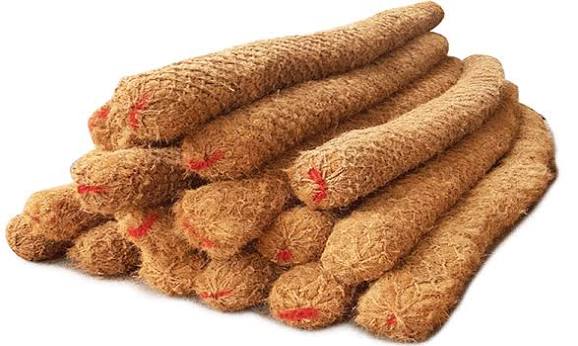
06Coir Logs
1Fibre openingLong fibre is opened for an even fill.
2Net knittingCoir twine is knitted into a tubular net.
3FillingFibre is packed into the net to 7–9 lb/cu ft.
4ClosingEnds are tied off and the log is shaped.
5Density checkEach log is weighed to confirm density.
6BundlingLogs are banded with stakes for shipping.
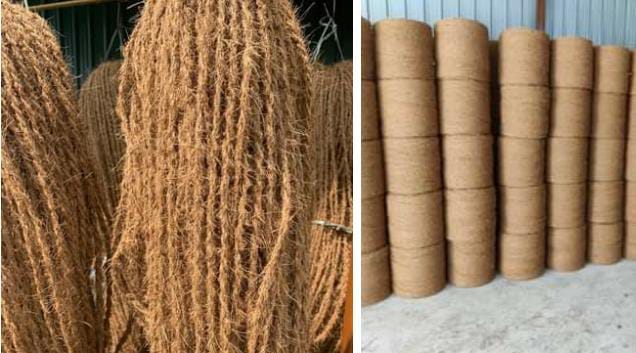
07Coir Yarn & Rope
1Fibre rettingHusks are soaked to soften the fibre.
2CleaningFibre is combed and cleaned.
3SpinningFibre is spun into 2-ply yarn.
4TwistingYarn is twisted into 2- or 3-strand rope.
5SpoolingWound onto spools or into bales.
6PackingLabelled and packed by length and weight.
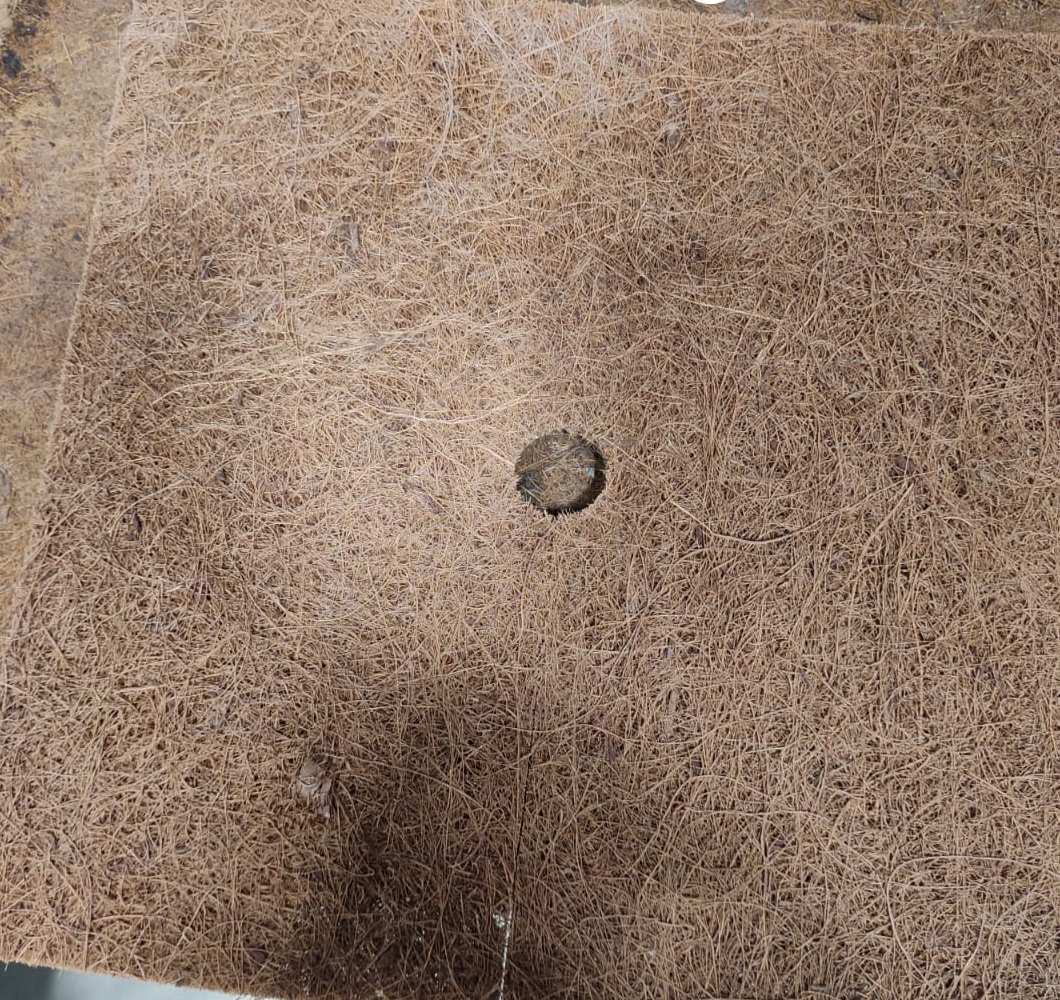
08Square Mulching Mats
1Fibre cleaningFibre is cleaned and opened.
2Needle punchingLayers are needle-punched into a dense sheet.
3Latex bondingNatural latex bonds the sheet at 10–20 mm.
4CuringThe sheet is cured and dried flat.
5CuttingCut into squares with a centre hole and slit.
6PackingStacked flat and packed.
In short
Husks from Tamil Nadu farms are retted, defibered, washed to EC below 0.5 mS/cm, sun-dried and lab-tested, then pressed, moulded, spun or knitted into each product.
OriginTamil Nadu, India
WashingEC < 0.5 mS/cm
Drying< 20% moisture
PortTuticorin
FAQ
Process questions
Can't find your answer? Our team replies within two working days.